Info Collection
Here you will find information and instructions.
Ultralight Hike
Here you will find information and instructions.
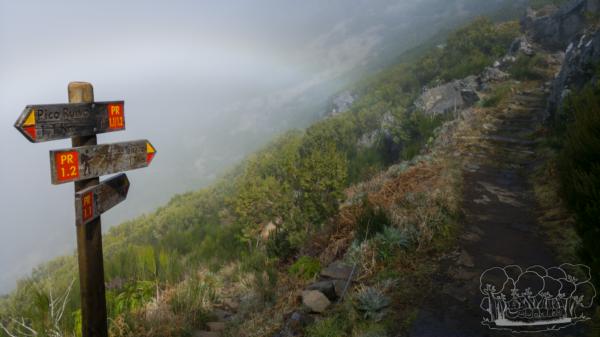
Planning a trip is an essential part of ultralight hiking. Whoever takes so little material into nature correspondingly has less material at hand to improvise with. Due to this limitation of materials, many are averse to ultralight trekking, but it does not have to be that way. With the proven “Skills statt Gear” principle, this can be balanced out quite well.
 weiterlesen...
I'm always out and about with technology. Usually this only refers to my smartphone and flashlight and occasionally a compact camera, but these devices need power to function. Here I will present my concepts for power supply on the go.
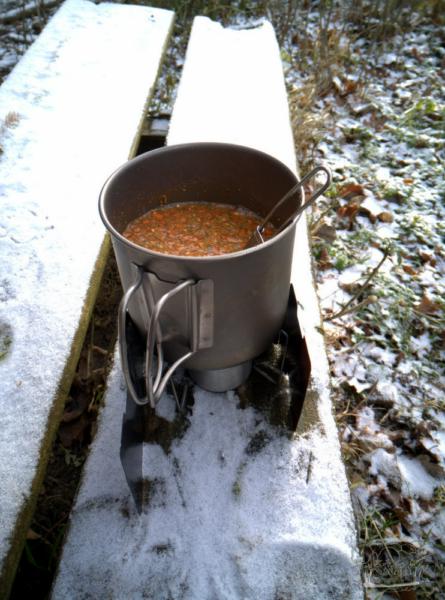
Here you will find a few recipes for trips. The recipes range in difficulty from “just pour hot water on it” to “gourmet meal”. These can of course be further refined.
Have fun trying them out!
 weiterlesen...
Recently, I have received many inquiries from newcomers to the ultralight trekking scene who want to start optimizing their pack weight when hiking. It has often turned out that the eye for what is essential is missing. Ultralight trekking does not mean taking as much of the light stuff with you as possible. Rather, it means doing without everything non-essential. Likewise, not everything that bears the name ultralight is light. So here are a few words on how to feel your way into the topic. One thing I have to get off my chest right at the start: the optimal setup for all conditions does not exist!
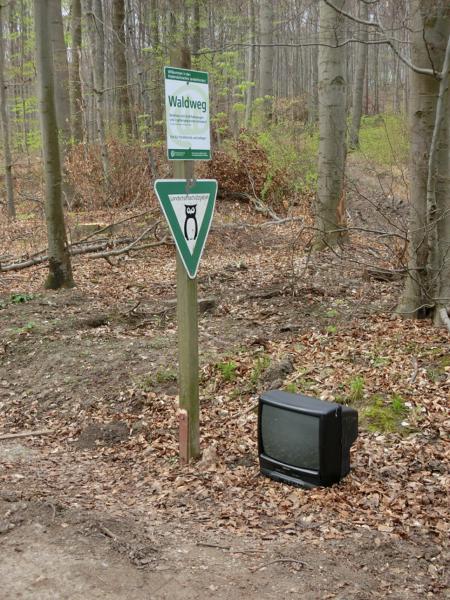
Leave No Trace is a methodology used by many long-distance hikers for interacting with nature. Since a single footprint has little impact on nature, but many footprints have a large impact, hikers try to keep their impact on nature as low as possible.
 weiterlesen...
Knots can make life on the trail much easier, but learning knots is always tedious. So here I give an overview of the knots I use frequently. I use a handful of knots that are easy to learn and provide added value on trips.
To protect yourself from wind, weather and insects at night on a trip, you need a shelter on the trail.
The most common shelters are tents, but there are also approaches that are more minimalist.
Below I will present various shelters.
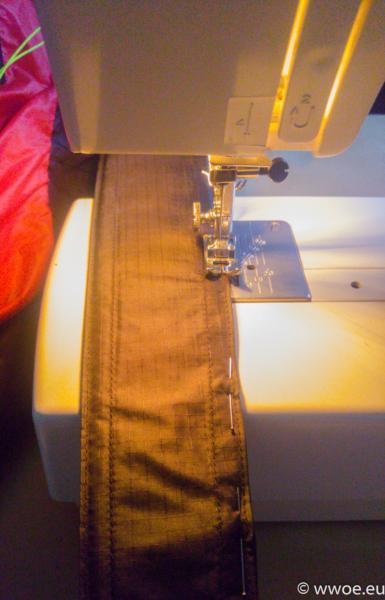
MYOG stands for "make your own gear". It is a cost-effective way to obtain lightweight gear that is exactly suited to your own requirements.
 weiterlesen...
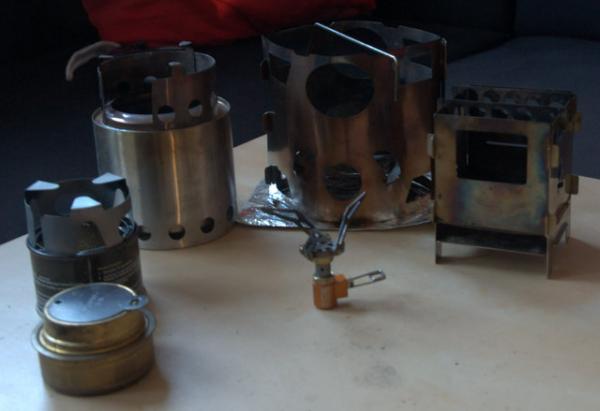
There are countless stoves available on the market and many can be built yourself in MYOG fashion. To help you decide, I will describe the different types of stoves and their intended uses here.
 weiterlesen...


