Leave No Trace

Leave No Trace is a methodology used by many long-distance hikers for interacting with nature. Since a single footprint has little impact on nature, but many footprints have a large impact, hikers try to keep their impact on nature as low as possible.
The principle is “take nothing but memories and leave nothing but footprints”.

Here are a few examples:

  • Fire – only light fires at existing, official fire pits in order to burden the soil and microorganisms with as little heat as possible. It takes several years for the soil under a fire pit to recover. Observe the forest fire danger rating!

  • Established trails – Use them to keep the impact on plant life as spatially limited as possible. Is there a puddle in the way? Walk through it! That way you do not widen the trail, which would push back the plant life. Hundreds of footprints in a short time put stress on the flora. Once trails are established, plants no longer have enough regeneration time between footprints to recover. The only measure to protect most of the plants is to concentrate this damage on as small an area as possible, such as beaten paths.

  • Cross-country – Here it is different; plants have plenty of time for regeneration before the next hiker damages the same plant again. Thus, beaten paths do not form at all

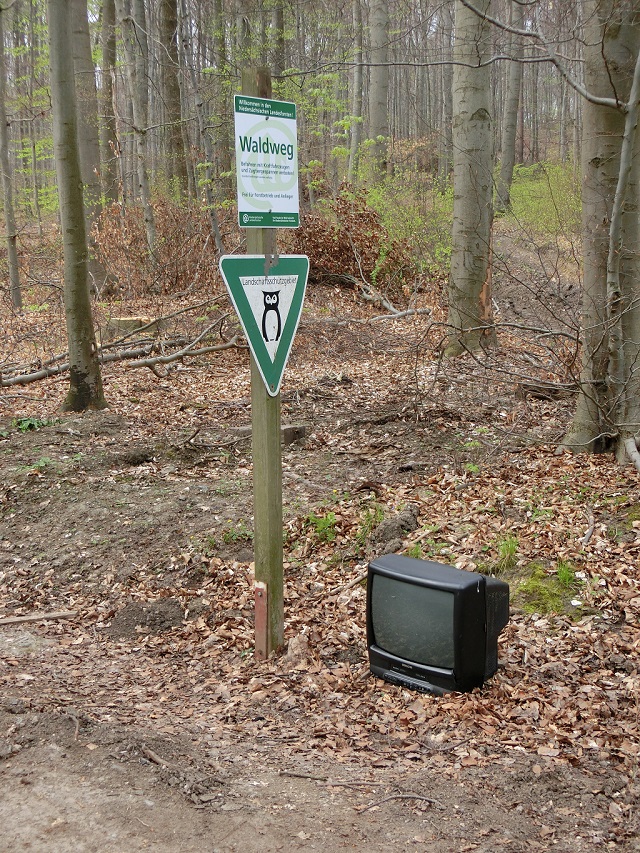
  • Trash – Comes from civilization and belongs back there too!

(not like this!)

  • Soap – As little as possible, as much as necessary. But if you do use it, please use biodegradable soap. And keep plenty of distance from the nearest bodies of water and springs!

  • Food scraps/washing-up water – Spread over as large an area as possible so that no animals are attracted. Otherwise there is a risk that animals become accustomed to humans.

Comments